Stanford Conference on Disability in Healthcare and Medicine | MSDCI and SMADIE
Stanford Conference on Disability in Healthcare and Medicine | MSDCI and SMADIE

Photo credit: Rick Giudotti
Professor, Occupational Therapy
Occupational Science & Occupational Therapy Dept, Faculty of Medicine, The University of British Columbia
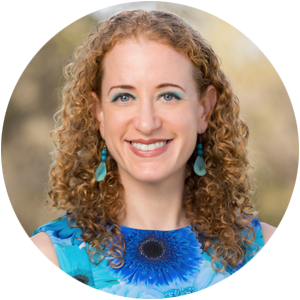
Tal Jarus is a Professor at the Occupational Science and Occupational Therapy department at the University of British Columbia. She is an occupational therapy in her background. Her research focuses on justice and equity in the health and human service professions, drawing on her lived experience as a queer white, cis woman, settler, immigrant, and disabled person. Her primary areas of research is diversifying the health and human service professions, and the transition into and out of university, in particular looking at the facilitators and barriers for the participation of disabled students and clinicians in the health and human service professions. Tal use innovative technics in her research, including art, such as photovoice or Research-Based Theatre.
Child/Adolescent and Adult Psychiatrist
Stacy Greeter, MD, PLLC, Florida State University
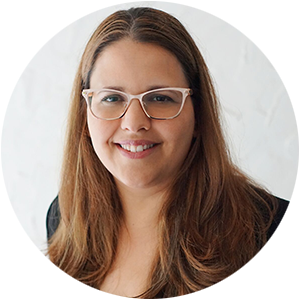
Stacy Greeter, MD (she/her) is double board certified in both child/adolescent and adult psychiatry and owns a group psychiatric practice in Sarasota, FL. She speaks from both her lived experience as an autistic, ADHD, and OCD individual and as a psychiatrist. Dr. Greeter graduated Summa Cum Laude from Duke University and went on to University of North Carolina School of Medicine on a full scholarship. Dr. Greeter completed her residency at Northwestern Memorial Hospital and continued there to complete her subspecialty fellowship in child/adolescent psychiatry. She believes in creating space for safe candid conversations on controversial mental health issues, runs a multi-disciplinary mental health professionals book club and co-hosts the podcast “Chronically Real and Clinically Relevant.” Dr. Greeter teaches at Lake Erie College of Medicine and Florida State University, is on the leadership team of Autistic Clinical Insights a virtual autistic-led conference, on the leadership team of Autistic Doctors International, and hosts Neurodiversity in Psychiatry, a monthly consultation and peer support group for neurodiversity affirming psychiatrists. Dr. Greeter uses metaphors from fantasy universes such as Star Wars, Lord of the Rings, and The Little Mermaid to make psychiatric concepts accessible and engaging through her educational Psychiatry Bootcamp series on youtube.
Assistant Professor of Teaching
University of British Columbia
Occupational Therapy
Independent Researcher
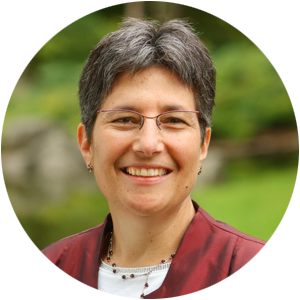
Natasha Robillard is a recent Occupational Therapy graduate with a decade of prior experience in social justice. As a person who lives with an invisible, long-term chronic condition that started in 2017, she has also developed a deep-seated passion for disability justice within the rehabilitation sciences. Natasha’s experiences navigating the higher education system as a mature student with a health condition cemented her commitment to understanding and addressing ableism in the academic and clinical worlds of occupational therapy through research. She brings to her work a lens and approach that aims to be trauma-informed, culturally-safe, justice-based, and anti-oppressive.
Professor, Occupational Therapy
Occupational Science & Occupational Therapy Dept, Faculty of Medicine, The University of British Columbia
Tal Jarus is a Professor at the Occupational Science and Occupational Therapy department at the University of British Columbia. She is an occupational therapy in her background. Her research focuses on justice and equity in the health and human service professions, drawing on her lived experience as a queer white, cis woman, settler, immigrant, and disabled person. Her primary areas of research is diversifying the health and human service professions, and the transition into and out of university, in particular looking at the facilitators and barriers for the participation of disabled students and clinicians in the health and human service professions. Tal use innovative technics in her research, including art, such as photovoice or Research-Based Theatre.
Clinical Psychologist, Associate Professor
School of Therapy, Counseling, and Human Development, University of Haifa
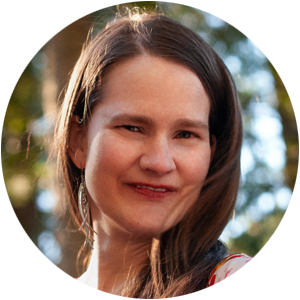
Dr. Yael Mayer is a senior faculty member in the School of Therapy, Counseling, and Human Development at the University of Haifa, as well as a clinical psychologist, lecturer, researcher, and social entrepreneur. Her work focuses on belonging, resilience, trauma, and culturally safe mental health care. She examines how cultural, social, and structural forces shape well-being in families and communities facing adversity, and develops holistic, integrative, community-based interventions such as Home Within the Heart to support parents and young children. Dr. Mayer also researches disability and professional identity in the health professions, drawing on both academic expertise and her lived experience of disability. Her work aims to advance equitable, community-grounded mental health services that foster belonging and expand access to care for diverse populations.